The Rise of Anime in India: From Doordarshan to Disney+ Hotstar
Anime in India has gone from a handful of dubbed shows on government television to a multi-platform phenomenon with millions of dedicated fans. The journey has been unconventional, shaped by dubbing choices, piracy debates, and a generation of kids who did not even know the word “anime” but loved the shows anyway. Here is how it happened.
The Doordarshan Days: Before We Knew What Anime Was
India’s anime exposure started earlier than most people realize. In the late 1980s and 1990s, Doordarshan aired shows like Jungle Book (Jungle no Oujisama) and Heidi (Alps no Shoujo Heidi) in Hindi dubs. Most viewers had no idea these were Japanese productions. They were just “cartoons” — good ones, with emotional depth that Western animation of the era rarely matched.
These shows planted subtle seeds. Indian kids were already being conditioned to appreciate the storytelling style that would later define anime for them: serialized narratives, emotional character arcs, and a willingness to take stories seriously rather than treating everything as comedy filler.
The Cartoon Network Revolution: Dragon Ball Z Changes Everything
Then came Dragon Ball Z on Cartoon Network India, and everything changed. Starting in the early 2000s, DBZ introduced an entire generation of Indian kids to the concept of an ongoing action narrative with real stakes, power progressions, and characters who trained, struggled, and evolved over hundreds of episodes.
Goku became a household name in India. Not “an anime character” — just a hero, as recognizable as any Bollywood protagonist. Kids across the country mimicked Kamehameha waves in schoolyards. The Super Saiyan transformation became the gold standard for “cool” in a way that transcended language and regional barriers.
The impact of DBZ on Indian pop culture cannot be overstated. It is why Goku merchandise still resonates with Indian buyers today — an entire generation has deep, nostalgic connections to that character and that show. The Dragon Ball Z collection at Bauhau5 Store exists because of what Cartoon Network started over twenty years ago.
The Naruto Wave: Anime Gets Its Name
If Dragon Ball Z was India’s introduction to anime, Naruto was the moment Indian fans started identifying themselves as anime watchers. Naruto aired on Cartoon Network and later on other channels, but more importantly, it became one of the first anime that Indian fans actively sought out online to watch ahead of the television schedule.
This was the mid-to-late 2000s, and it marked a critical shift. Indian anime fans were no longer passive viewers waiting for a Hindi dub — they were an engaged community watching subtitled episodes, discussing them on forums, and building a culture around the content. Fan sites, AMVs (anime music videos), and heated debates about Naruto versus Sasuke became defining features of Indian internet culture for this generation.
The characters became icons. Naruto’s never-give-up attitude resonated deeply with Indian youth. Itachi’s sacrifice became one of the most discussed character moments in any medium. And Pain’s philosophy about cycles of hatred sparked genuine philosophical discussions among teenagers who might never have engaged with those ideas otherwise.
The Dark Age: Anime Disappears from Indian TV
In a strange twist, anime largely disappeared from Indian television in the early 2010s. Channels shifted focus to domestically produced animation and live-action content. The gap left by the absence of anime on TV was filled almost entirely by online piracy — a reality that the Indian anime community has grappled with for years.
But this period was not a decline in anime fandom. If anything, it concentrated and intensified it. The fans who remained were deeply committed, forming tight-knit online communities that shared recommendations, organized watch-alongs, and kept the culture alive without any mainstream support.
The Streaming Resurrection
Everything changed again with the arrival of legal streaming platforms. Crunchyroll, Netflix, and eventually Disney+ Hotstar began offering anime with subtitles and dubs, suddenly making vast libraries of content accessible to Indian audiences without the guilt or risk of piracy.
Attack on Titan became a gateway drug for a new generation. Demon Slayer’s stunning animation brought in viewers who might never have watched anime otherwise. Tanjiro Kamado and the Hashira became the new icons, and Demon Slayer: Mugen Train’s box office performance proved that anime could be a theatrical event, not just a television product.
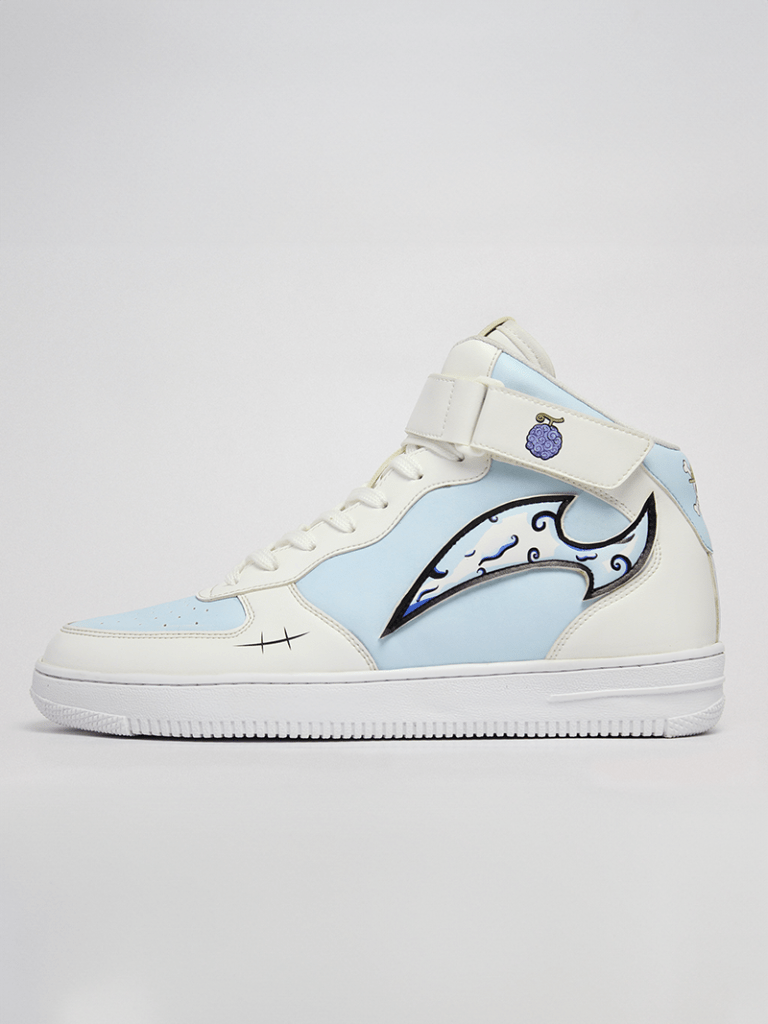
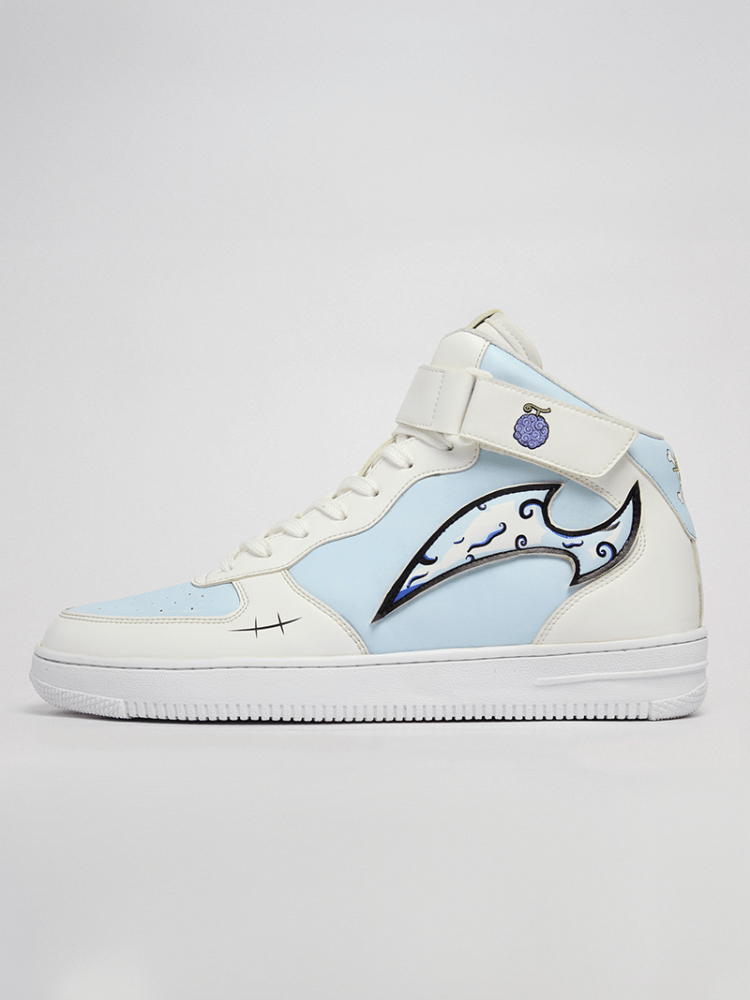
Jujutsu Kaisen captured Gen Z with its modern sensibility and stunning fight choreography. One Piece experienced a massive resurgence thanks to the Netflix live-action adaptation and the Gear 5 reveal. The Luffy Gear 5 MidStrides at Bauhau5 Store are a direct product of this renewed enthusiasm.
The Merch Market Catches Up
For years, the Indian anime merch market lagged far behind the fandom. Fans wanted to buy official merchandise but had limited options — overpriced imports with outrageous shipping costs, or low-quality bootlegs from dubious sources. The disconnect between the size of the fandom and the availability of quality merch was staggering.
This gap is exactly what brands like Bauhau5 Store were created to fill. Handcrafted, India-made anime sneakers at Indian price points, with free shipping across the country. No import duties. No three-week waits from overseas. No compromise on quality. The full collection represents what happens when India’s anime fandom finally gets the merch ecosystem it deserves.
Where We Are Now
Today, anime in India is mainstream. Not mainstream the way Bollywood is mainstream — it does not need to be. But it is mainstream enough that wearing an anime t-shirt to work does not get strange looks, that anime references in conversations are understood by more people than not, and that having a favourite anime character is as normal as having a favourite cricketer.
The community is vast and diverse. From Naruto loyalists who have been here since the Cartoon Network days to Demon Slayer newcomers who started watching last year, the Indian anime fandom is a spectrum of experiences united by shared passion.
What Comes Next
The future of anime in India is bright and expanding. More streaming platforms are investing in anime content. Indian anime conventions are growing in size and ambition. And the merch market is finally maturing to serve a community that has waited patiently — and sometimes impatiently — for quality products at fair prices.
Whatever your entry point was — whether you remember watching Goku on Doordarshan-era Cartoon Network or you discovered anime through a TikTok clip of Gojo’s Hollow Purple — you are part of a story that has been building for decades.
Wear That Story
Celebrate the journey of anime in India with handcrafted sneakers that honour the characters and series that brought us here. Browse the full collection at Bauhau5 Store — from Dragon Ball Z to One Piece, from Naruto to Gaming. Rs. 2,699 with free shipping. Pay online and get Rs. 200 off.
Related Posts