Sukuna vs Gojo: The Fight That Broke the Anime Internet
Some anime battles are good. Some are legendary. And then there is Sukuna versus Gojo Satoru: the fight that shattered power scaling debates, crashed social media servers, and left the entire Jujutsu Kaisen fandom in a collective state of shock. If you were anywhere near anime Twitter, Reddit, or Instagram when this fight aired, you know exactly what we are talking about. The internet did not just react. It detonated.
The Build-Up That Took Years
From the very first episode of Jujutsu Kaisen, the show established two titans at opposite ends of its power spectrum. Gojo Satoru, the strongest sorcerer alive, a man so overwhelmingly powerful that the balance of the entire jujutsu world rested on his existence. And Ryomen Sukuna, the King of Curses, a millennia-old entity whose very name carried the weight of absolute destruction.
The fandom spent years debating who would win. Forum threads stretched into thousands of replies. YouTube videos dissecting every technique, every domain expansion, every possible advantage racked up millions of views. Manga readers who knew what was coming watched anime-only fans speculate with a mixture of excitement and dread.
When the fight finally arrived, it was not just a battle. It was an event.
Why This Fight Hit Different
Anime has given us countless iconic battles. Naruto versus Sasuke at the Valley of the End. Goku versus Frieza on Namek. Luffy versus Katakuri in the mirror world. But the Sukuna versus Gojo fight carried something those battles did not: genuine uncertainty about the outcome, even among manga readers who had seen it play out on paper.
The animation quality elevated every panel. MAPPA delivered sequences that redefined what modern anime could look like in motion. Domain expansions clashed in ways that felt cosmic. The choreography balanced raw spectacle with tactical depth, showing both fighters adapting, strategizing, and pushing beyond their established limits.
But the real reason this fight broke the internet was not the animation. It was the stakes, and the outcome that nobody truly wanted to accept.
Gojo: Style as a Weapon
To understand why this fight resonated so deeply, you need to understand what Gojo represents beyond his power level. Gojo Satoru is arguably the most stylish anime character of his generation. The blindfold, the casual arrogance, the way he treats world-ending threats like minor inconveniences: his entire design language screams effortless dominance.
His aesthetic has launched a thousand pieces of merchandise. From blindfold replicas to fashion lines inspired by his casual outfits, Gojo’s visual identity has transcended the anime and entered mainstream fashion consciousness. In India, JJK merchandise featuring Gojo consistently outsells every other character across platforms.
Sukuna: The Beauty of Villainy
On the opposite side, Sukuna represents something equally compelling. His design evolves throughout the series, from the subtle markings on Yuji’s face to his fully manifested form with four arms and an aura of ancient, indifferent cruelty. Sukuna does not care about looking cool. He simply is, and that effortless menace makes him magnetic.
His character design pulls from traditional Japanese tattooing and oni mythology, creating a visual identity that feels both ancient and utterly modern. The four-armed silhouette has become one of the most recognizable shapes in contemporary anime, appearing on merch, fan art, and tattoos worldwide.
The Aftermath: A Fandom Divided
Without venturing into spoiler territory for those who have not caught up, the outcome of this fight divided the JJK fandom in ways that few anime battles have managed. Social media erupted. Think pieces flooded every platform. Fans who had invested years in one character’s supremacy had to reckon with narrative choices that challenged their expectations.
In India, the reaction was particularly intense. JJK has one of the most passionate fanbases in the country, with watch parties, fan art communities, and cosplay groups dedicated to the series. The Sukuna versus Gojo fight became a cultural moment, discussed not just in anime circles but in mainstream internet culture.
Design Aesthetics: What Makes JJK Merch Stand Out
One of the reasons Jujutsu Kaisen translates so well to merchandise is its design philosophy. Unlike some anime where characters are defined primarily by bright colours or simple symbols, JJK characters have layered visual identities. The cursed energy effects, the domain expansion aesthetics, the uniform designs: every element offers something for merch designers to work with.
This complexity is why handcrafted merch tends to capture JJK’s essence better than mass-produced alternatives. When a design is carefully crafted rather than stamped out by a factory, it can honour the detail and nuance that makes characters like Gojo and Sukuna visually compelling.
Sneakers, in particular, offer enough surface area to incorporate the intricate patterns and dynamic poses that define JJK’s art style. The mid-top silhouette provides a canvas that can showcase domain expansion imagery, cursed technique effects, or character portraits with the detail they deserve.
Power Scaling and the Merch Economy
Here is an interesting observation: power scaling debates directly fuel merch sales. When fans are passionately arguing about whether Gojo could beat Sukuna, they are also deeply invested in those characters. That emotional investment translates into a desire to represent, to wear your allegiance, to signal which side of the debate you stand on.
This is why character-specific merchandise spikes during and after major battles. The fight does not just entertain. It activates identity. Fans want to declare themselves as Gojo supporters or Sukuna believers, and fashion is the most visible way to do that.
JJK’s Impact on Indian Anime Culture
Jujutsu Kaisen arrived at the perfect moment for Indian anime culture. The country’s anime fandom had been growing steadily through Naruto, Dragon Ball Z, and One Piece, but JJK brought a new wave of fans who might not have discovered anime otherwise. Its darker tone, complex power system, and morally ambiguous characters appealed to an audience that had matured beyond the shonen they grew up watching.
Indian conventions now regularly feature JJK cosplayers rivalling the numbers of Naruto and Dragon Ball Z representation. Fan communities on Discord and Telegram dedicated specifically to JJK discussion have memberships in the tens of thousands. The series has cemented itself as a cornerstone of Indian anime culture.
Wear the Battle
The Sukuna versus Gojo fight reminded us why anime creates connections that run deeper than casual entertainment. These characters matter to people. Their battles matter. And the desire to carry that connection into everyday life through fashion, through merch, through self-expression is not frivolous. It is fandom at its most authentic.
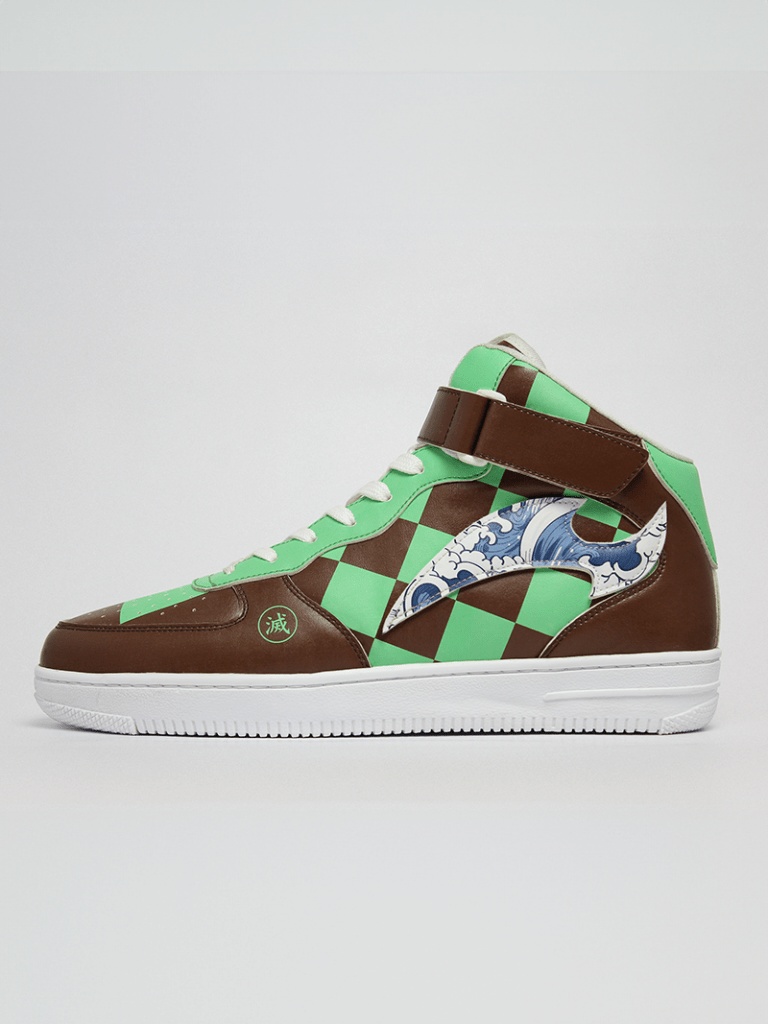
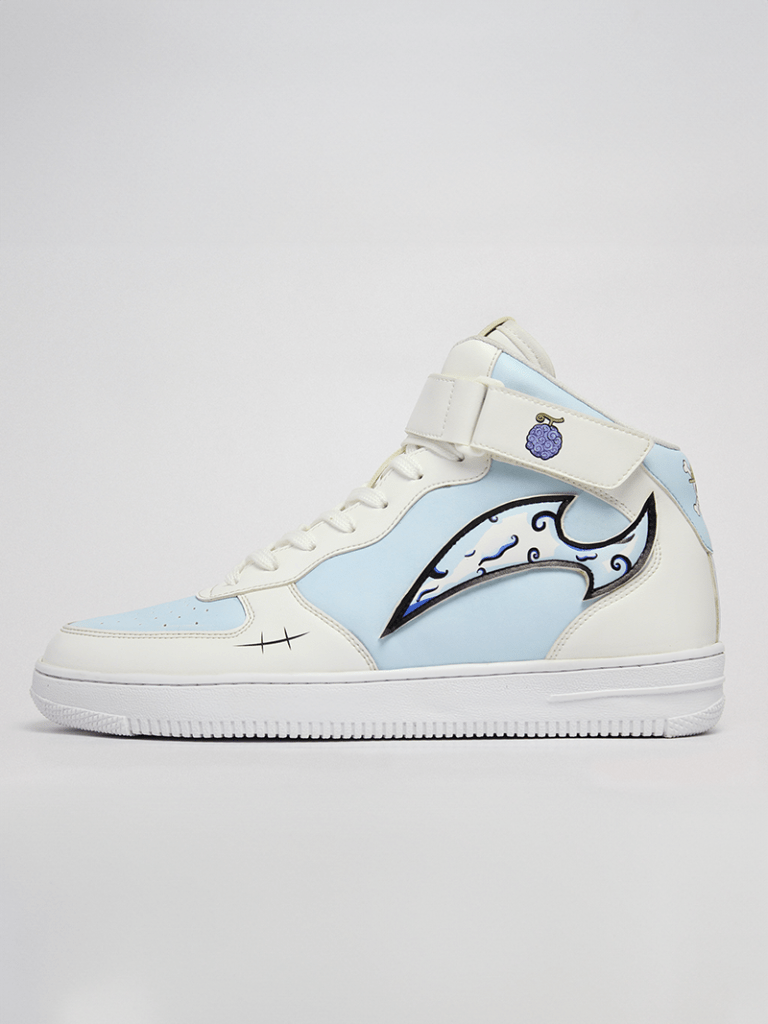
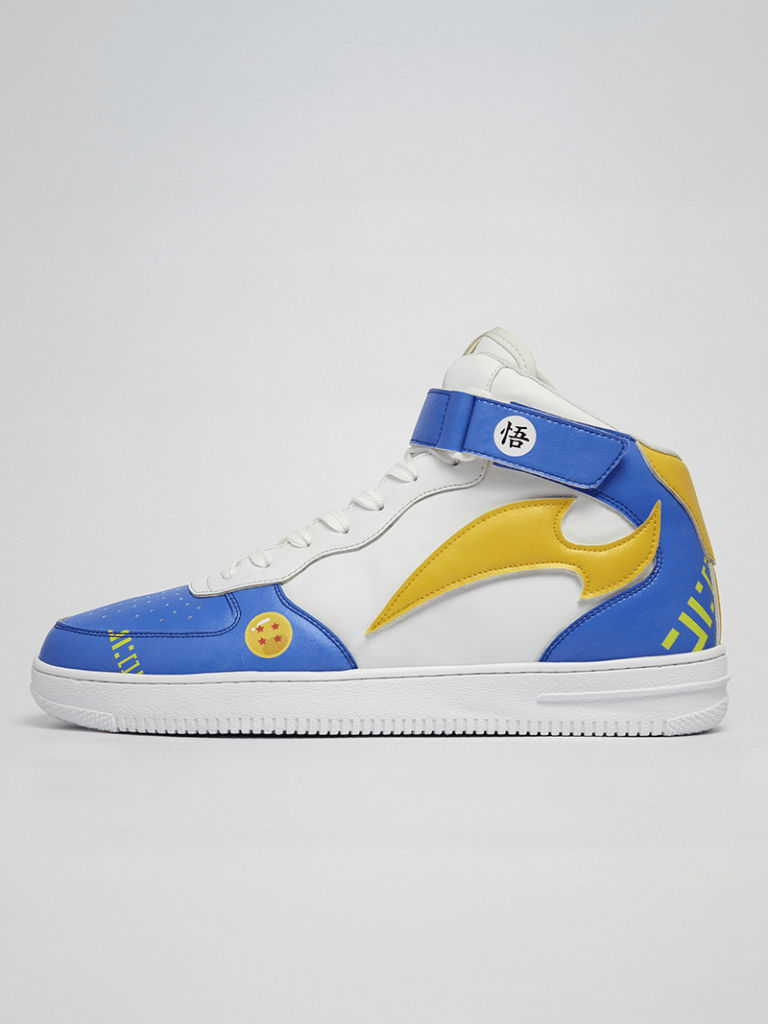
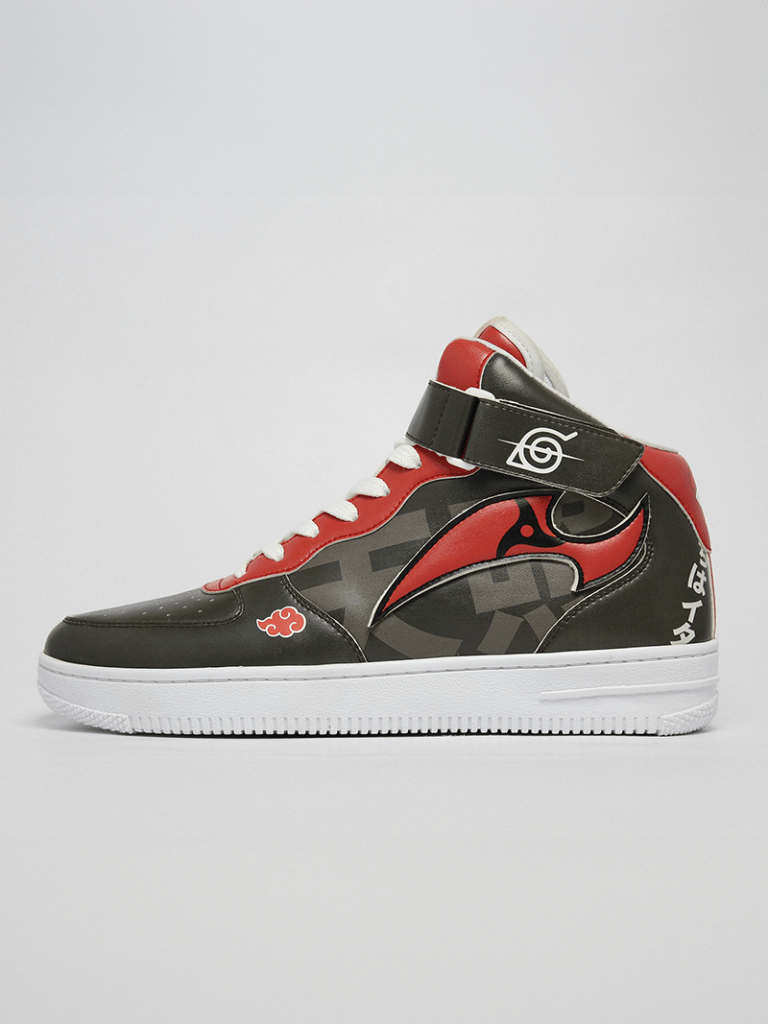
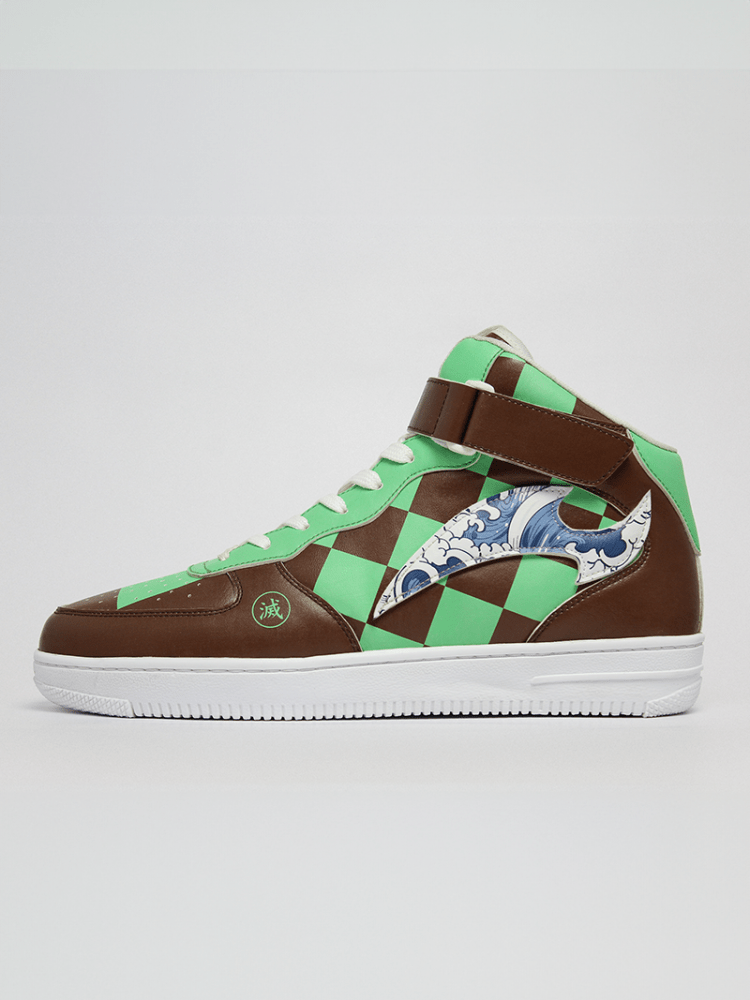
While we may not have JJK-specific sneakers yet, the Bauhau5 MidStrides collection carries the same spirit of anime-inspired, handcrafted footwear across series like Naruto, One Piece, Dragon Ball Z, and Demon Slayer. Every pair is Rs. 2,699 with free shipping across India. Browse the full collection and find the design that represents your fandom.
Related Posts