The Psychology of Anime Fandom: Why We Connect So Deeply
You have felt it. That tightness in your chest when a character you love makes a sacrifice. The grin you cannot suppress when the protagonist finally unlocks their ultimate form. The hollow feeling after finishing a series, as if you have lost friends who were never really there. Anime creates emotional responses that go far beyond what most media achieves, and there are real psychological reasons why.
This is not about defending anime to people who do not watch it. This is about understanding why it works the way it does, and why millions of fans in India and around the world carry their anime connections like they are part of their identity. Because they are.
Parasocial Relationships: The Science of Fictional Bonds
Psychology has a term for the emotional connections we form with characters we will never meet: parasocial relationships. These are one-sided bonds where a viewer develops genuine emotional investment in a fictional character’s wellbeing, growth, and story. And anime, by design, cultivates these bonds more effectively than almost any other medium.
Here is why. Most Western television shows have seasons of 10 to 22 episodes per year. A long-running anime like Naruto Shippuden has over 500 episodes. One Piece has over 1,100. You are not watching a character for a few hours. You are watching them for hundreds of hours across years of your life. That sustained exposure creates attachment that mirrors real relationships in its depth, if not its reciprocity.
When Naruto achieves his dream or when Luffy declares war on the World Government, you are not reacting as a passive viewer. You are reacting as someone who has invested hundreds of hours into this relationship. The emotion is real because the time investment is real.
The Coming-of-Age Mirror
Anime, particularly shonen anime, follows characters from youth into adulthood. Naruto starts as a lonely child and ends as a leader. Goku grows from a naive boy to the protector of entire universes. Tanjiro transforms from a gentle charcoal seller into a hardened demon slayer. These are coming-of-age narratives stretched across years of real-time storytelling.
For Indian fans who start watching these series as teenagers, the timing is significant. You are watching characters grow up while you are growing up. Their struggles with identity, purpose, belonging, and self-worth mirror your own. The challenges are fantastical, nobody is actually fighting demons, but the emotional cores are universal. Feeling like an outsider. Wanting to protect the people you love. Searching for meaning in a world that does not always make sense.
This mirroring effect creates a feedback loop. The anime validates your feelings by showing characters experiencing similar emotions. You validate the anime by investing your attention and care. The bond deepens with every episode.
Community and Belonging
Anime fandom in India has created one of the most vibrant communities in the country’s cultural landscape. Discord servers, Telegram groups, Reddit communities, Instagram pages, YouTube channels, college clubs: the infrastructure of connection is massive and growing.
For many fans, especially introverted ones, anime community provides something that other social contexts do not: instant common ground. When you meet a fellow Naruto fan, you share hundreds of hours of common experience. Conversations flow naturally because you have a shared vocabulary, shared emotional touchpoints, shared references. The barrier to connection is dramatically lower.
Psychologically, this is powerful. Humans are wired for belonging. We need to feel part of something larger than ourselves. Anime fandom provides that in an accessible, low-pressure way. You do not need to be athletic to join. You do not need wealth or social status. You need to care about stories, and that is a remarkably democratic entry requirement.
Identity Expression and the Fan Self
Psychologists who study fandom talk about the concept of a “fan identity”: the part of your self-concept that is built around your engagement with a fictional world. For casual viewers, this identity is minor. For dedicated anime fans, it can be a significant component of how they see themselves and how they present themselves to the world.
This is not unhealthy. It is the same psychological mechanism that drives sports fans to wear jerseys, music fans to wear band tees, and literature fans to quote their favourite authors. Humans use cultural consumption as identity material. We are what we love, or at least we express who we are through what we love.
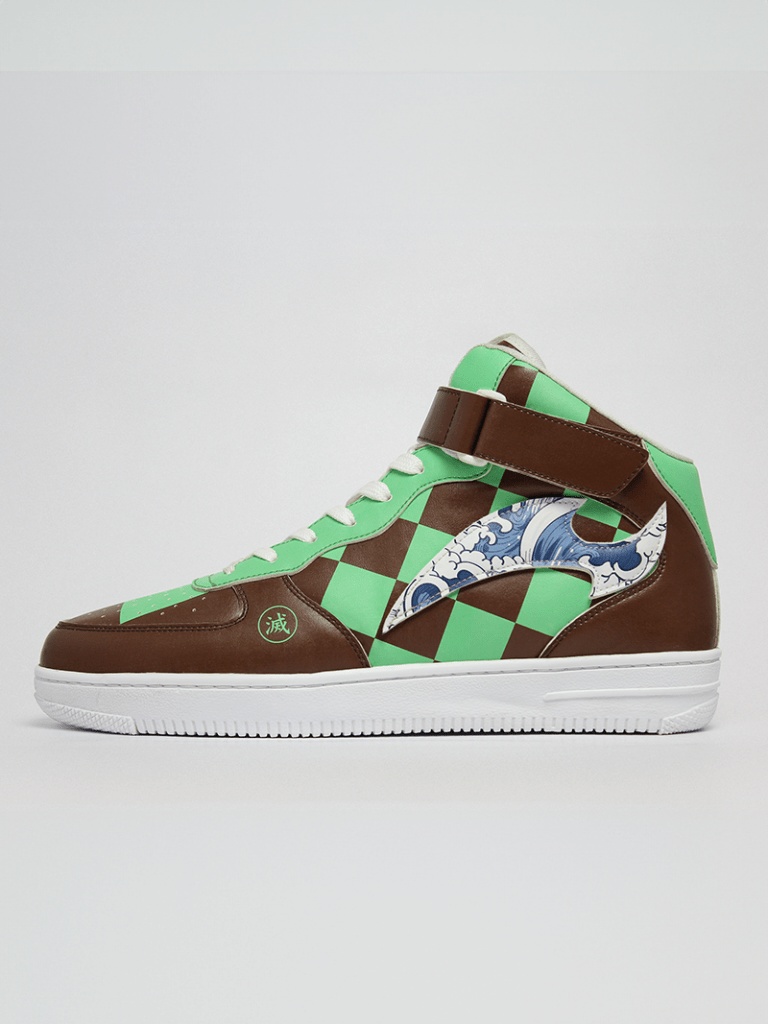
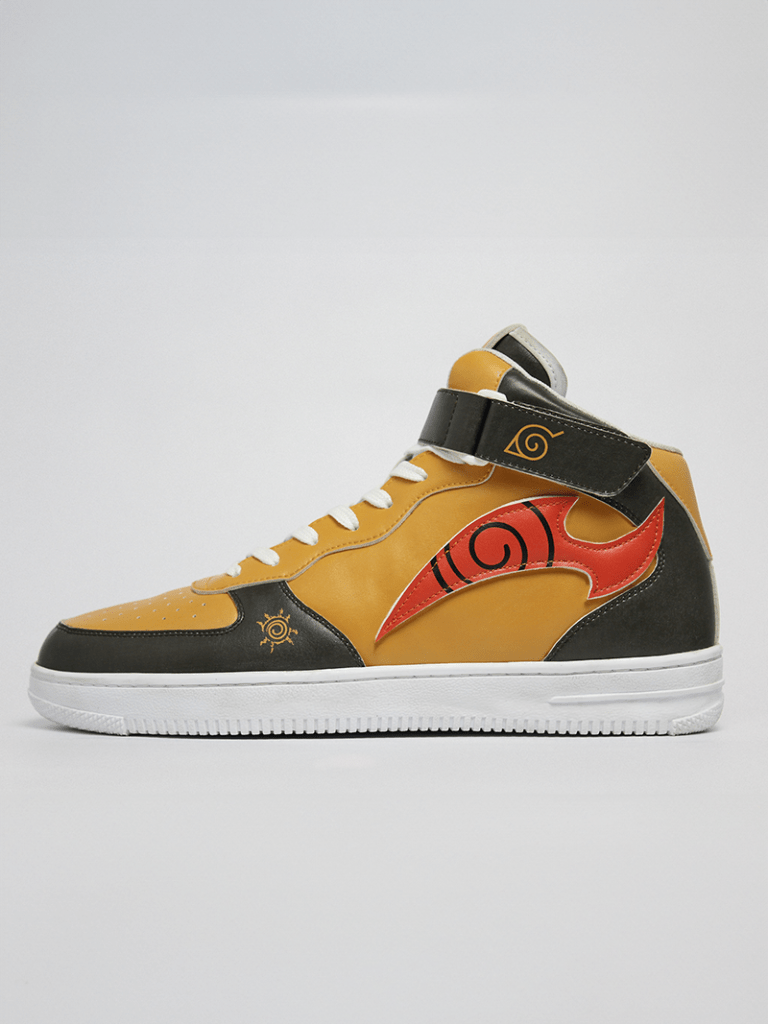
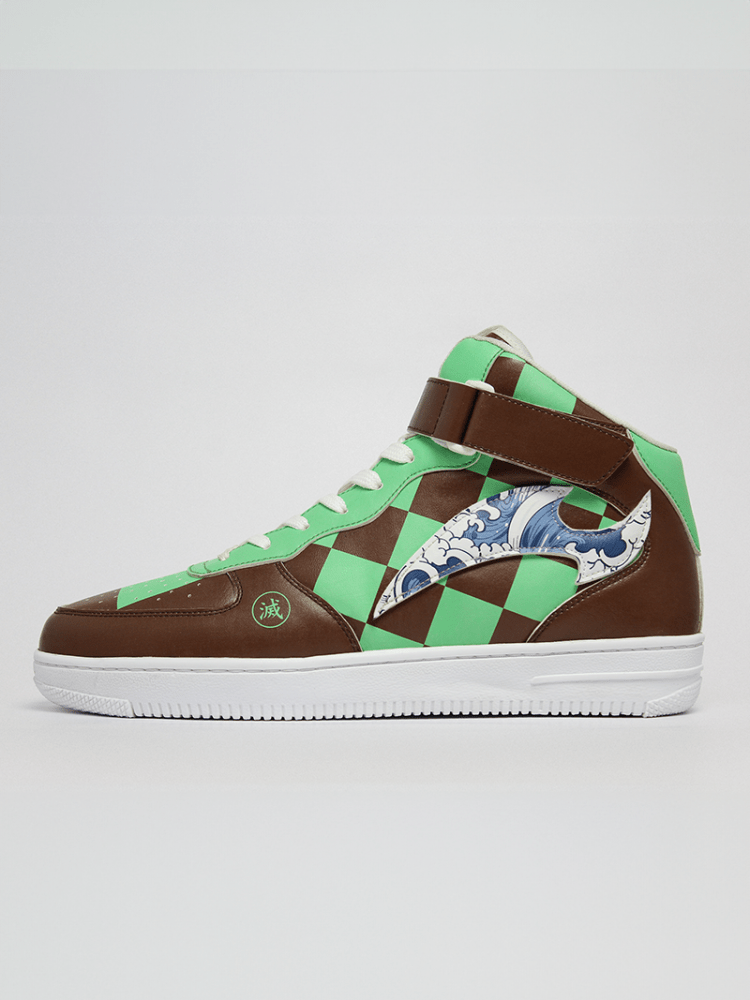
Anime merchandise serves as the physical manifestation of this fan identity. When someone wears a pair of anime-inspired sneakers or hangs a poster on their wall, they are externalizing an internal identity. They are saying, “This matters to me, and I want you to know it.” That act of declaration is psychologically significant because it requires a degree of vulnerability. You are showing the world what you care about and trusting that it will be received without judgment.
The Emotional Vocabulary of Anime
Japanese storytelling has a different emotional register than Western storytelling. Concepts like “nakama” (a bond deeper than friendship), “ikigai” (a reason for being), and “mono no aware” (the bittersweet awareness of impermanence) do not have direct English equivalents. Anime introduces its audience to these emotional frameworks, expanding the viewer’s ability to identify and articulate their own feelings.
For Indian audiences, this resonance runs particularly deep. Indian culture already has rich emotional vocabulary and storytelling traditions. The overlap between Japanese and Indian narrative sensibilities, the emphasis on duty, honour, sacrifice, family bonds, and spiritual growth, creates a cultural bridge that makes anime feel less foreign than it technically is.
Many Indian anime fans report that anime helped them process emotions they did not have words for. Watching Itachi sacrifice everything for a brother who hated him. Watching Gon break down after losing Kite. Watching the Going Merry’s funeral in One Piece. These scenes create safe spaces for emotional experiences that real life does not always provide.
The Nostalgia Factor
Nostalgia is one of the most psychologically potent emotions humans experience. It increases feelings of social connectedness, enhances self-esteem, and provides a sense of meaning. Anime, particularly series that fans watched during formative years, carries an enormous nostalgic charge.
When a Dragon Ball Z fan sees Goku imagery, they are not just seeing a character. They are accessing every memory associated with watching that show: the living room they watched it in, the friends they discussed it with, the age they were when they first encountered it. The character becomes a gateway to their own history.
This is why anime from the 2000s and early 2010s continues to dominate merchandise sales even as newer series gain popularity. The emotional weight of nostalgic attachment makes older series commercially evergreen. A pair of Goku MidStrides is not selling a character. It is selling access to a feeling.
The Depth Is the Point
People outside anime fandom sometimes ask, with genuine confusion, why fans care so deeply about “cartoons.” The answer is rooted in psychology: anime creates the conditions for deep emotional engagement more effectively than most media. Long-form storytelling builds genuine attachment. Coming-of-age narratives mirror real growth. Community structures provide belonging. Cultural aesthetics expand emotional vocabulary. And nostalgia cements everything into lasting significance.
Caring deeply about anime is not a quirk. It is a predictable psychological response to a medium that is specifically designed to earn your emotional investment over hundreds of hours. The depth is not a bug. It is the entire point.
Carry What You Love
If anime has shaped who you are, there is nothing wrong with letting the world see that. Whether through a poster, a phone wallpaper, or a pair of handcrafted sneakers, externalizing your fandom is an act of authentic self-expression. Explore the Bauhau5 MidStrides collection and find the design that connects to your story. Because the connection you feel is real, and it deserves to be visible.
Related Posts