My Hero Academia: The Superhero Anime India Cannot Get Enough Of
India has always had a complicated relationship with superheroes. We grew up with Shaktimaan, graduated to Marvel and DC, and then discovered something that combined the best of both worlds — My Hero Academia. Kohei Horikoshi’s masterpiece took the superhero genre, stripped it down, rebuilt it with Japanese storytelling sensibilities, and created something that resonated with Indian audiences in a way that neither American comics nor traditional shonen anime had managed before.
Why MHA Clicks With Indian Audiences
The premise is deceptively simple: in a world where 80 percent of the population has superpowers called Quirks, a powerless boy named Izuku Midoriya dreams of becoming a hero. If that sounds like every underdog story ever told, you are right. But MHA executes it with a level of emotional intelligence that sets it apart.
Indian audiences connect with Deku because his struggle is familiar. The pressure to succeed in a system that seems designed to exclude you. The weight of expectations from family and society. The burning desire to prove that hard work and heart can overcome natural talent and privilege. These are not just anime themes — they are the daily reality of millions of Indian students and young professionals.
The Quirk system also resonates in a country that understands hierarchy. In MHA’s world, your Quirk determines your social standing, your career prospects, and how people treat you. Replace “Quirk” with “caste,” “college tier,” or “family connections,” and the parallel becomes uncomfortably clear. Horikoshi may not have written MHA for Indian audiences specifically, but he accidentally captured something universal about societies built on rigid classification systems.
The Hero Costumes: Where Fashion Meets Function
One of MHA’s greatest strengths from a merchandise perspective is its hero costume design. Unlike series where characters wear relatively simple outfits, MHA heroes have elaborate, visually distinctive costumes that practically beg to be turned into merch.
Deku’s green jumpsuit with its rabbit-ear hood. Bakugo’s grenade gauntlets and aggressive black-and-orange colour scheme. Todoroki’s half-and-half aesthetic that mirrors his dual nature. Each costume tells a story about its wearer and creates an instantly recognisable visual identity.
This design philosophy extends to the villains as well. The League of Villains, the Meta Liberation Army, and the Paranormal Liberation Front all have distinctive visual identities. Shigaraki’s hands, Dabi’s burn scars, Toga’s schoolgirl-turned-predator look — these are designs that fans want to wear and display.
The Indian MHA Community
MHA’s fandom in India is enormous and growing. Anime conventions across the country consistently see MHA cosplays dominating the floors. Instagram and Twitter are filled with Indian fan artists creating stunning MHA artwork. Reddit communities like r/BokuNoHeroAcademia have significant Indian participation.
What makes the Indian MHA community special is its diversity. Unlike some anime fandoms that skew heavily male, MHA attracts a balanced audience. Female fans are drawn to the complex character dynamics, the emotional storytelling, and yes, the attractive character designs. Male fans appreciate the fight choreography, the power system, and the shonen progression. Everyone appreciates the themes of perseverance and self-improvement.
This diverse fanbase creates diverse demand for merchandise. It is not just about action figures and posters — MHA fans want wearable merch that lets them represent their favourite characters in daily life.
The Merch Gap in India
Despite MHA’s massive popularity in India, official merchandise availability remains frustratingly limited. The few licensed products that make it to Indian retailers are overpriced, limited in variety, and often feature generic designs that do not capture the anime’s energy.
This is where Indian brands have an opportunity. The demand exists — scroll through any Indian anime community and you will see people asking where to find quality MHA merch. What fans want are products that capture the spirit of the series: bold, colourful, heroic, and unmistakably MHA.
Custom sneakers are a natural fit for MHA’s aesthetic. The hero costumes are essentially fashion statements, and translating those colour schemes and design elements onto footwear creates products that MHA fans can wear as part of their everyday wardrobe.
Character Tier List: Who Sells the Most Merch
If you follow MHA merch trends in India, the popularity rankings are clear:
S-Tier: Deku (obviously), Bakugo (the rival everyone secretly loves), and Todoroki (the pretty boy with daddy issues). These three dominate merch sales globally, and India is no exception.
A-Tier: All Might (the symbol of peace and the most quotable character), Eraserhead (the teacher everyone wishes they had), and Hawks (the cool, morally complex hero).
B-Tier: The villains — Shigaraki, Dabi, and Toga have passionate fanbases that punch above their weight in merch purchases. Villain fans are loyal and vocal.
Sleeper Hit: Kirishima. His “manly” philosophy and unwavering loyalty have earned him a dedicated Indian fanbase that consistently surprises with their merch spending.
MHA’s Themes and Indian Culture
MHA explores themes that resonate deeply with Indian cultural values. The guru-shishya relationship between All Might and Deku mirrors the teacher-student bonds that Indian culture holds sacred. The idea of inheriting and building upon the strength of previous generations — literally, in the case of One For All — aligns with Indian concepts of legacy and duty.
The series also tackles the pressure of entrance exams through the U.A. High School admission arc, something every Indian student who has faced JEE, NEET, or UPSC can relate to on a visceral level. Watching Deku stress about getting into the top hero school feels less like fiction and more like a documentary about Indian educational anxiety.
What MHA Fans Wear
MHA fans in India have developed a distinct style that blends anime fandom with streetwear sensibility. Oversized tees with MHA prints, accessories featuring the U.A. logo, and sneakers that reference character colour schemes are all part of the MHA fashion ecosystem.
Custom sneakers have become particularly popular because they allow fans to represent their favourite characters in a way that is both bold and wearable. A pair of sneakers featuring Deku’s green colour palette or Bakugo’s explosive orange can be styled with everyday outfits while still signalling your fandom to those who know.
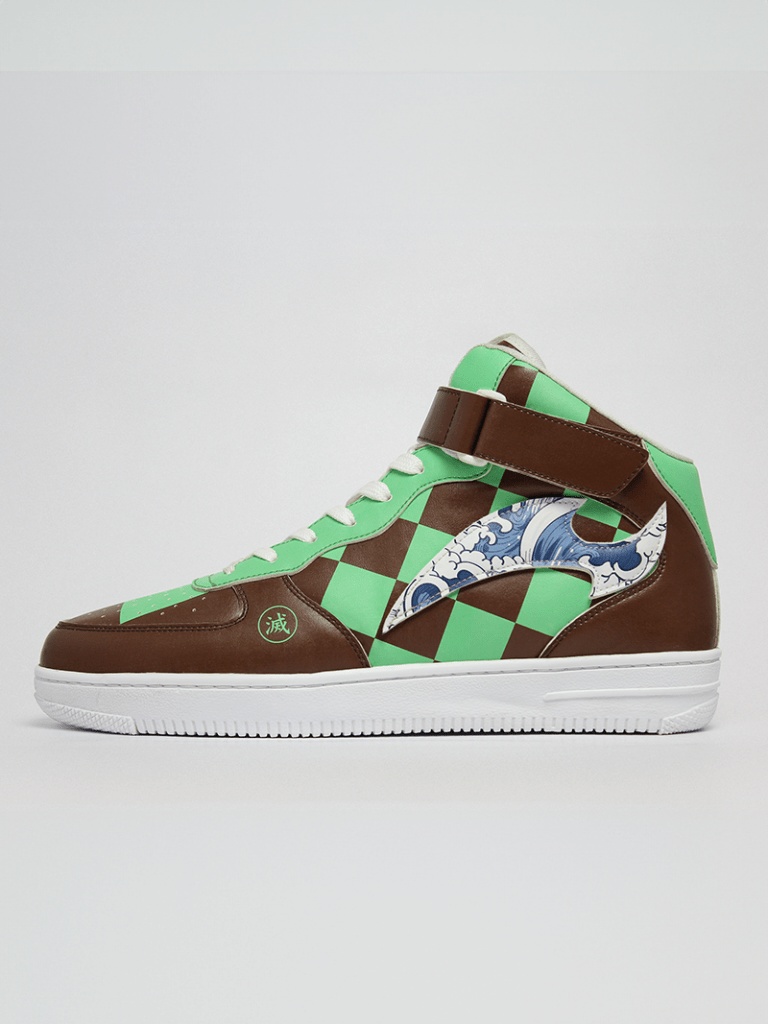
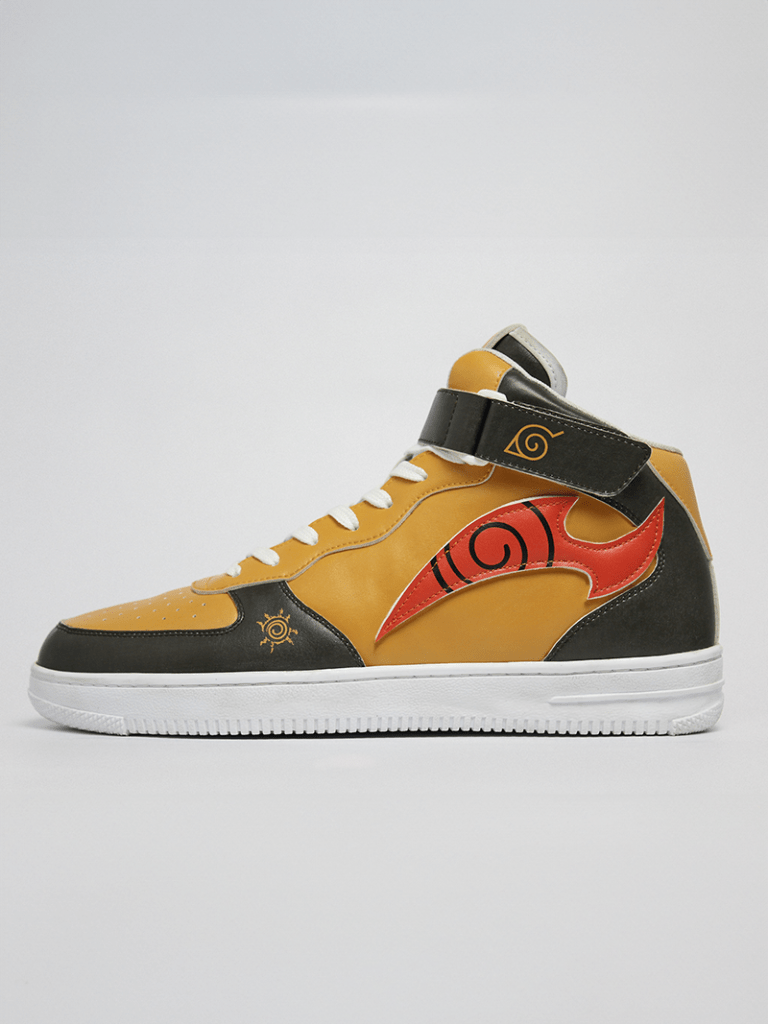
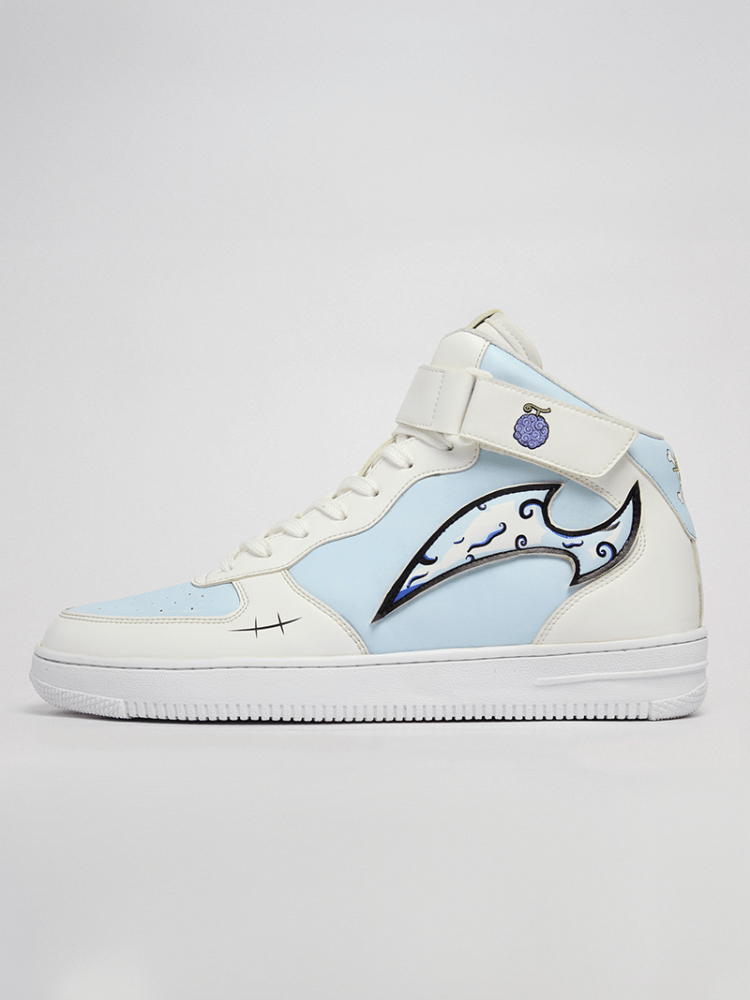
At Bauhau5, the anime sneaker range already covers major series like Naruto, One Piece, Dragon Ball Z, and Demon Slayer. MHA fans — your turn is coming. The hero costume designs of this series are practically begging to be translated onto MidStrides.
The Future of MHA in India
With the manga complete and the anime in its final stretch, MHA is entering the phase where its legacy gets cemented. The characters, the themes, and the aesthetic will continue to influence anime fashion for years to come. Indian fans who grew up with Deku’s journey from quirkless nobody to the greatest hero will carry that fandom forward.
The merch market for MHA in India is only going to grow. As more Indian brands recognise the demand and create products that genuinely serve the fanbase, MHA fans will finally get the merchandise they deserve — products made by fans, for fans, at prices that do not require a hero’s salary.
While MHA designs are in the works, explore the current collection of anime sneakers at Bauhau5. Check out the full MidStrides range — handcrafted anime sneakers at Rs. 2,699 with free shipping across India. Pay online and get Rs. 200 off.
Related Posts